
Custom Wall Switches & Sockets Supplier
Professional OEM/ODM manufacturer specializing in high-quality wall switches and sockets for global markets.
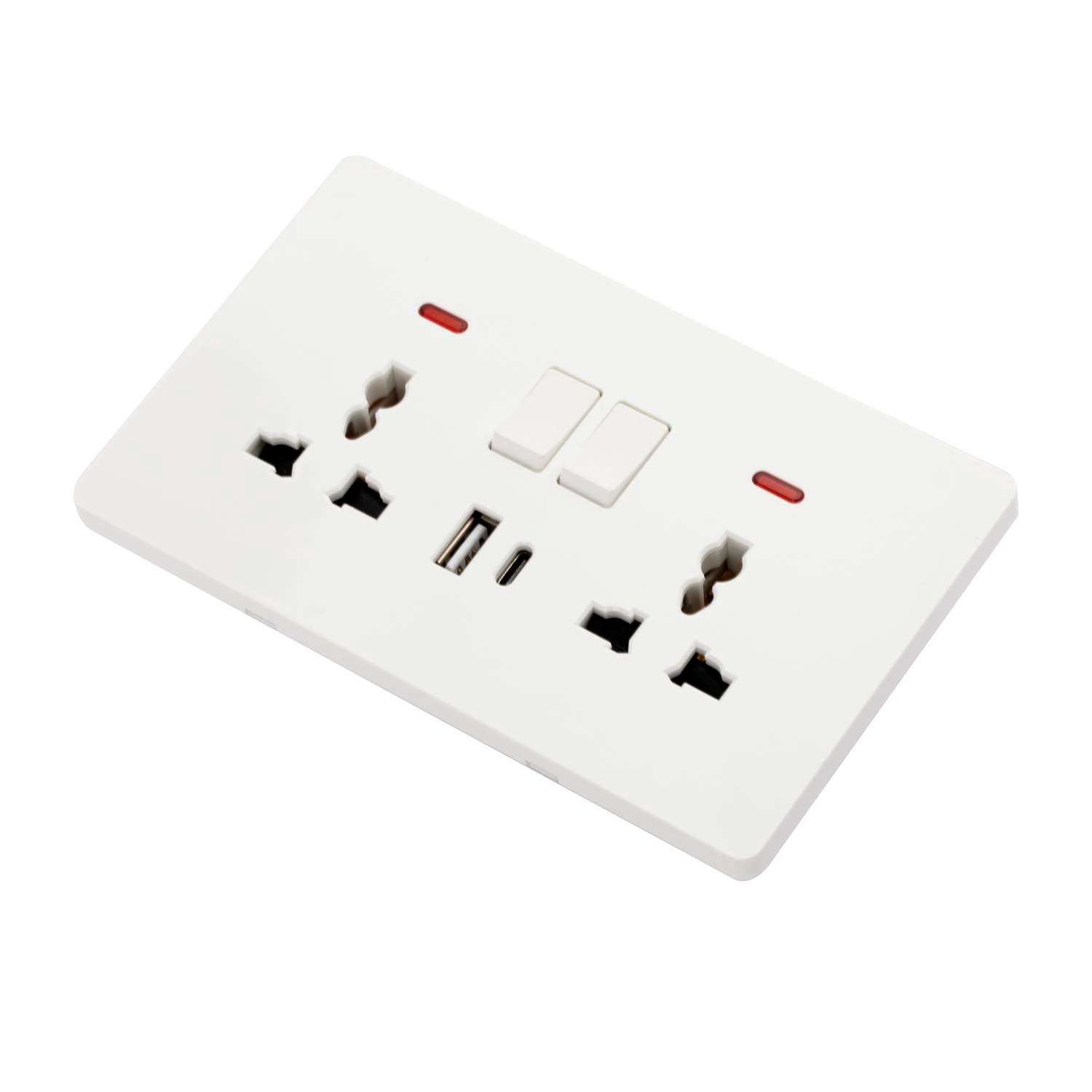
Your Trusted Wall Switches & Sockets Partner
With over 18 years of manufacturing excellence, XiangOu Solar delivers premium electrical components to clients across 50+ countries worldwide.
18+ Years Experience
Established in 2005, we've perfected the art of manufacturing electrical components with ISO 9001:2015 and ISO 14001:2015 certifications.
Global Market Reach
Serving clients in Europe, North America, Middle East, Southeast Asia, and Africa with CE, RoHS, and regional certifications.
Dedicated Support Team
Professional engineering and customer service team providing 24/7 technical support, direct communication, and rapid response.
Comprehensive After-Sales Support
- 12-month quality warranty on all products
- Free replacement for defective units within warranty period
- Lifetime technical consultation and troubleshooting assistance
- Spare parts availability and expedited shipping options
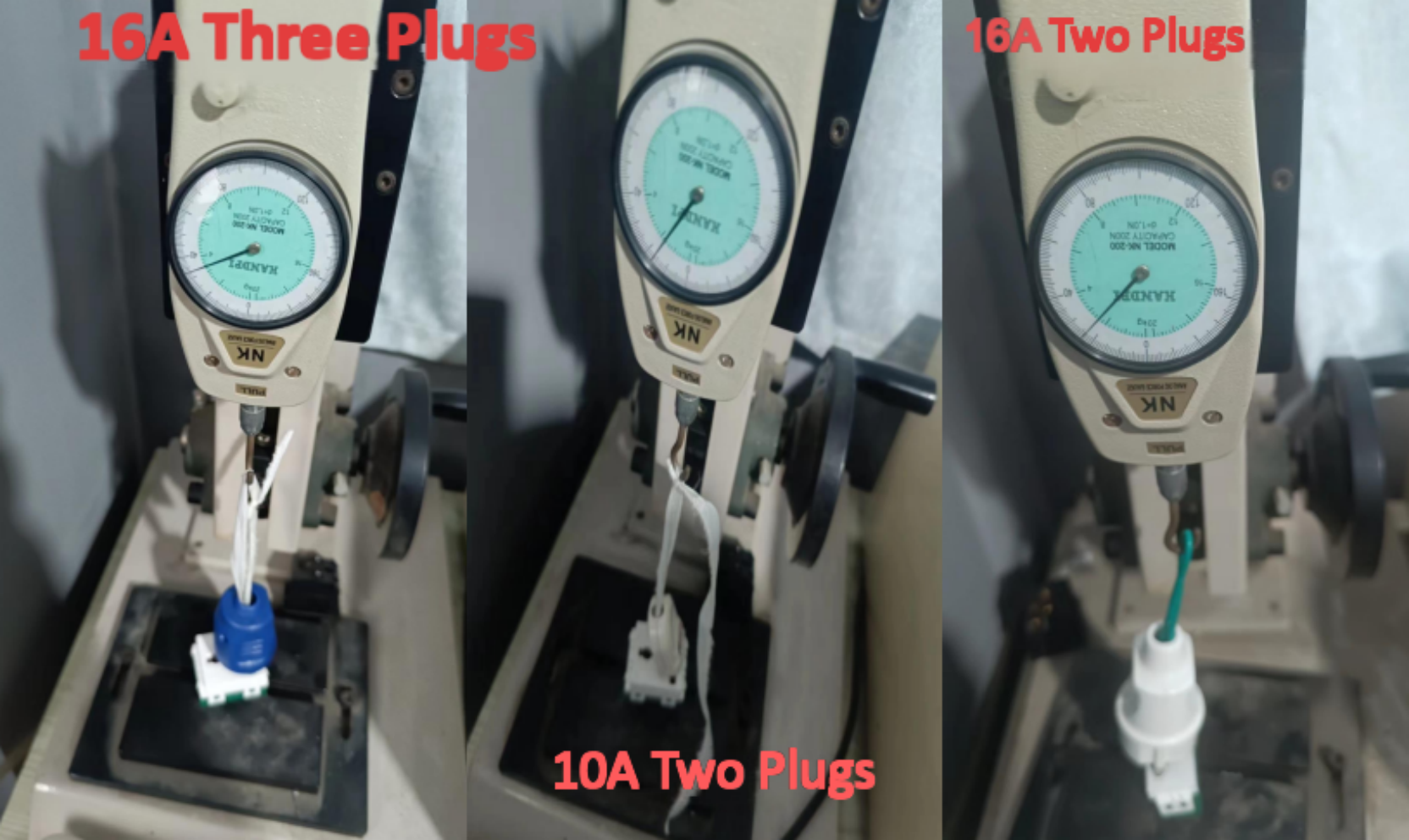
Why Partner with XiangOu Solar?
Comprehensive advantages that make us your ideal Wall Switches & Sockets manufacturing partner
Reliable Supply Chain & Fast Delivery
- ✓ 15-25 days standard lead time, 7-10 days express available
- ✓ Strategic raw material inventory for quick turnaround
- ✓ Partnerships with DHL, FedEx, UPS for global logistics
- ✓ Real-time production tracking and shipment updates
Competitive Pricing & Customization
- ✓ Factory-direct pricing with volume discounts up to 30%
- ✓ MOQ as low as 500 pcs for standard models
- ✓ Full OEM/ODM: custom colors, logos, packaging, specifications
- ✓ Free design consultation and technical drawing optimization
Rigorous Quality Management
- ✓ ISO 9001:2015 quality management system certified
- ✓ 100% incoming material inspection and testing
- ✓ In-process quality control at every production stage
- ✓ Final inspection: electrical, mechanical, appearance tests
Expert Technical Support
- ✓ Dedicated engineering team with 10+ years experience
- ✓ Product selection guidance and application consulting
- ✓ Custom solution design for unique project requirements
- ✓ Installation support and troubleshooting assistance
Global Compliance & Certification
- ✓ CE, RoHS, REACH compliant for European markets
- ✓ UL, ETL, CSA available for North American markets
- ✓ IEC, BS, SASO standards for Middle East and Asia
- ✓ Assistance with customs clearance and import documentation
Comprehensive After-Sales & Warranty
- ✓ 12-month quality warranty covering manufacturing defects
- ✓ Free replacement or repair for warranty claims
- ✓ Lifetime technical support and spare parts availability
- ✓ 24-hour response time for urgent technical inquiries
Frequently Asked Questions
Everything you need to know about ordering custom Wall Switches & Sockets
What is the standard lead time? Do you offer expedited production?
Standard Lead Time: 15-25 working days from order confirmation and deposit receipt. This includes production, quality inspection, and packaging.
Expedited Service: Yes, we offer rush production for urgent orders:
- 7-10 days express production (20% surcharge applies)
- Priority scheduling in production line
- Express shipping via DHL/FedEx (2-5 days global delivery)
Note: Lead times may vary during peak seasons (September-December). We recommend placing orders 30-45 days in advance for large quantities or custom specifications.
What is the minimum order quantity? Are there price breaks for larger volumes?
Minimum Order Quantity (MOQ):
- Standard models: 500 pieces per model/color
- Custom OEM/ODM orders: 1,000 pieces minimum
- Mixed orders accepted (multiple models in one shipment)
Volume Pricing Structure:
| Quantity | Discount |
|---|---|
| 500-999 pcs | Base price |
| 1,000-4,999 pcs | 10% discount |
| 5,000-9,999 pcs | 18% discount |
| 10,000+ pcs | 25-30% discount (negotiable) |
Additional Savings: Annual contract customers receive extra 5% discount and priority production scheduling.
Can you customize specifications, materials, colors, and packaging?
Yes, we offer comprehensive OEM/ODM customization services:
1. Specifications & Ratings
- Voltage ratings: 110V, 220V, 250V, or custom
- Current ratings: 6A, 10A, 13A, 16A, 20A
- Gang configurations: 1-gang to 4-gang
- Special features: USB ports, dimmer function, indicator lights
2. Materials & Finishes
- Housing: PC (standard), tempered glass, stainless steel, aluminum alloy
- Contact materials: Brass, silver alloy, copper
- Surface finish: Matte, glossy, brushed metal, wood grain texture
3. Colors & Branding
- Standard colors: White, black, gray, ivory, champagne gold
- Custom colors: Match to Pantone or RAL color codes (MOQ 1,000 pcs)
- Logo printing: Silk screen, laser engraving, embossing
- Private labeling with your brand name and model numbers
4. Packaging Options
- Standard: Neutral white box with product specifications
- Custom: Full-color printed boxes with your branding and design
- Display packaging: Blister packs, window boxes for retail
- Bulk packaging: Master cartons with custom labeling
Free Services: We provide free design consultation, 3D rendering, and technical drawing optimization for all custom orders.
What quality inspection standards do you follow? What is your warranty policy?
Quality Inspection Standards
Our quality control follows international standards and multi-stage inspection:
1. Incoming Material Inspection (IQC)
- 100% inspection of raw materials and components
- Verification of certifications (RoHS, REACH compliance)
- Dimensional and material property testing
2. In-Process Quality Control (IPQC)
- Real-time monitoring at each production stage
- Statistical process control (SPC) for key parameters
- Random sampling inspection every 2 hours
3. Final Quality Control (FQC)
- 100% electrical safety testing (insulation resistance, earth continuity)
- Mechanical endurance test: 10,000 switching cycles minimum
- Appearance inspection: surface finish, color consistency, markings
- Functional testing: switch operation, contact reliability
Test Equipment: High-voltage tester, insulation resistance meter, contact resistance tester, torque tester, salt spray chamber, temperature/humidity chamber.
Warranty Policy
- Standard Warranty: 12 months from shipment date
- Coverage: Manufacturing defects, material defects, workmanship issues
- Remedy: Free replacement or repair (including shipping costs for warranty claims)
- Extended Warranty: Available for 24-36 months (additional fee applies)
- Exclusions: Damage from misuse, improper installation, or natural disasters
Defect Rate: Our average defect rate is below 0.3%, far exceeding industry standards. We maintain a 99.7% customer satisfaction rating.
What is your sample policy? How long does sampling take?
Sample Types & Fees
1. Stock Samples (Existing Models)
- Fee: Free samples for qualified buyers (shipping cost on customer account)
- Quantity: Up to 5 pieces per model
- Lead Time: 1-3 days preparation + shipping time
- Refund: Sample fee refunded upon placing bulk order (minimum 1,000 pcs)
2. Custom Samples (OEM/ODM)
- Fee: $150-$300 USD (depends on complexity)
- Includes: Mold modification, custom tooling, engineering time
- Lead Time: 7-10 days for standard customization, 15-20 days for complex designs
- Refund: 100% refunded when production order exceeds 5,000 pcs
Sampling Process
- Submit sample request with specifications and drawings (if custom)
- Receive quotation and sample fee invoice within 24 hours
- Make payment and provide shipping information
- Production and quality inspection (timeframe depends on sample type)
- Shipment with tracking number and technical documentation
- Customer evaluation and feedback
- Modifications if needed (1-2 rounds free, additional rounds charged)
What's Included with Samples
- Physical samples with full functionality
- Product specification sheet and technical drawings
- Test reports (if applicable: electrical safety, RoHS, etc.)
- Installation instructions and wiring diagrams
- Packaging samples (for custom packaging orders)
Pro Tip: For faster evaluation, we can provide 3D renderings and technical drawings before physical sampling. This allows you to review design and make adjustments before committing to sample production.
What shipping methods do you offer? Do you provide customs clearance support?
Shipping Methods
1. Express Shipping (DHL, FedEx, UPS, TNT)
- Best for: Samples, urgent small orders (under 100kg)
- Transit time: 3-7 days worldwide
- Advantages: Fast, door-to-door, tracking available, customs handled by courier
- Cost: Higher per kg, but no minimum charge
2. Air Freight
- Best for: Medium orders (100-500kg)
- Transit time: 5-10 days to major airports
- Advantages: Faster than sea, more cost-effective than express for larger volumes
- Cost: Moderate, charged by chargeable weight (actual or volumetric, whichever higher)
3. Sea Freight (FCL/LCL)
- Best for: Large orders (over 500kg or full container loads)
- Transit time: 15-45 days (depends on destination port)
- Advantages: Most economical for bulk shipments
- Options: FCL (Full Container Load) for 1,000+ pcs, LCL (Less than Container Load) for smaller quantities
Incoterms & Delivery Options
- EXW (Ex Works): Customer arranges pickup from our factory
- FOB (Free on Board): We deliver to Chinese port, customer handles ocean freight and import
- CIF (Cost, Insurance, Freight): We cover ocean freight and insurance to destination port
- DDP (Delivered Duty Paid): We handle all logistics, customs, and duties to your door (premium service)
Customs Clearance Support
Yes, we provide comprehensive customs and import support:
- Documentation: Commercial invoice, packing list, bill of lading, certificate of origin
- Certifications: CE, RoHS, test reports for customs clearance
- HS Code Guidance: Correct tariff classification (typically 8536.50 for switches, 8536.69 for sockets)
- Customs Broker Coordination: We work with your customs broker or recommend reliable partners
- DDP Service: Full door-to-door delivery with all duties and taxes paid (available for most countries)
Important: Import duties and taxes vary by country (typically 0-15% for electrical components). We recommend consulting with a local customs broker for accurate duty calculations. For DDP shipments, we handle all costs upfront.
Production & Quality Control
State-of-the-art facilities and rigorous quality management ensuring consistent excellence
Manufacturing Capacity
Daily Production Capacity
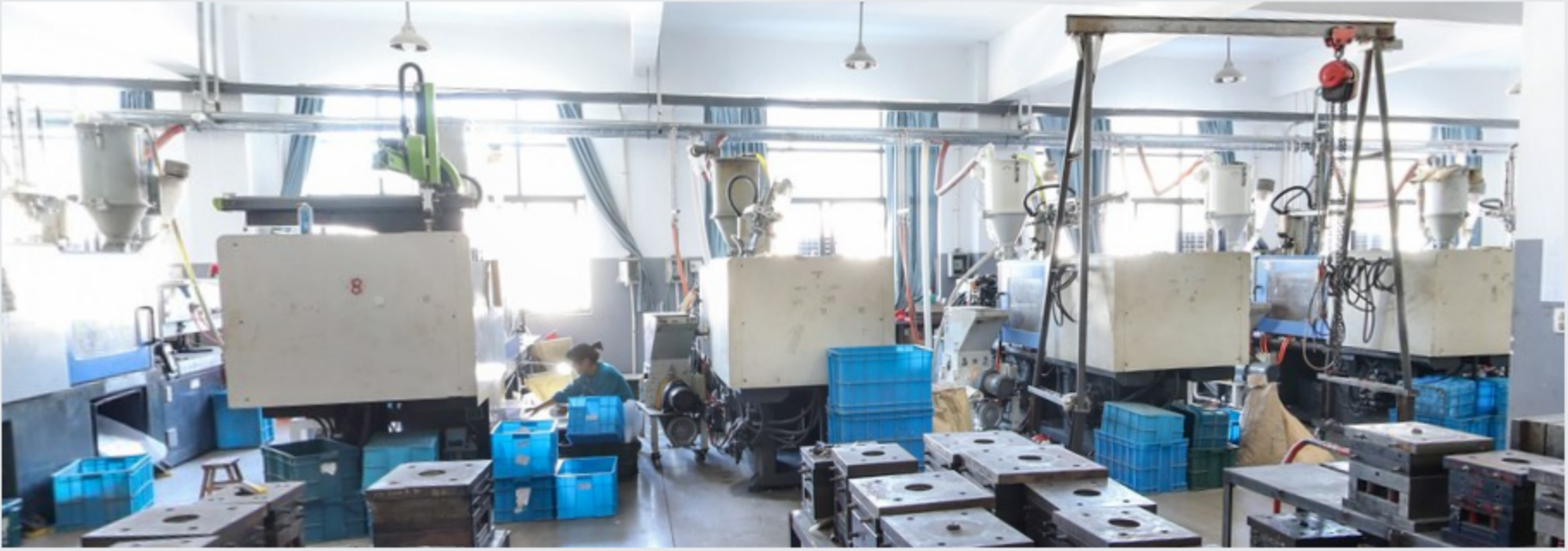
50,000+ units per day across 4 automated production lines
Factory Facilities
5,000㎡ production base with climate-controlled workshops and dedicated R&D center
Key Equipment
Automated injection molding machines, precision stamping presses, ultrasonic welding, automated assembly lines
Production Highlights
Quality Inspection
Multi-stage quality control process:
- • Incoming material inspection (IQC)
- • In-process quality control (IPQC)
- • Final quality control (FQC)
- • 100% electrical safety testing
- • Random sampling for endurance tests
Packaging Methods
Professional packaging for safe delivery:
- • Individual product protection: PE bag or blister
- • Inner box: Color printed or white box
- • Master carton: 5-layer corrugated, export-grade
- • Pallet packaging for LCL/FCL shipments
- • Custom branding and labeling available
Certifications
Comprehensive global compliance:
- • ISO 9001:2015 Quality Management
- • ISO 14001:2015 Environmental
- • CE (European Conformity)
- • RoHS (Restriction of Hazardous Substances)
- • REACH (EU Chemical Regulation)
- • UL/ETL/CSA (North America) - available
Production Process Flow
Material Preparation
Raw material inspection and preparation
Component Manufacturing
Injection molding, stamping, machining
Assembly
Automated and manual assembly processes
Testing
100% electrical and functional testing
Packaging & Shipping
Professional packaging and logistics
Ultimate Wall Switches & Sockets Sourcing Guide
Comprehensive knowledge base for buyers, importers, and project managers seeking to source premium wall switches and sockets
Guide Overview
This comprehensive guide is designed for procurement managers, electrical contractors, property developers, and importers who need to make informed decisions when sourcing wall switches and sockets. Whether you're planning a residential project, commercial installation, or establishing a supply chain, this guide covers everything from technical specifications to quality assurance and logistics.
Table of Contents
Q1: How to quickly determine if a wall switch or socket is suitable for my application?
Essential criteria for matching products to project requirements
Q1: How to quickly determine if a wall switch or socket is suitable for my application?
Essential criteria for matching products to project requirements
Step 1: Identify Your Application Environment
-
•
Residential: Standard 10A/16A switches and sockets for lighting and appliances. Prioritize aesthetics, soft-touch operation, and child safety features.
-
•
Commercial (Offices, Retail): Durable 16A-20A units with high cycle endurance (50,000+ operations). Consider USB-integrated sockets for modern workspaces.
-
•
Industrial: Heavy-duty 20A-32A switches with IP-rated protection (IP44-IP65). Must withstand harsh conditions, vibration, and frequent use.
-
•
Outdoor/Wet Areas: Waterproof IP55+ rated units with UV-resistant materials. Essential for gardens, bathrooms, kitchens, and coastal areas.
Step 2: Match Technical Specifications
• North America: 120V AC / Europe, Asia, Middle East: 220-250V AC
• Always select products rated 10-20% above your system voltage for safety margin
• 6A: Low-power devices (lamps, chargers) - Residential
• 10A: Standard appliances (TVs, computers) - Most common residential
• 13A-16A: Medium appliances (microwaves, kettles) - UK/EU standard
• 20A-32A: High-power equipment (air conditioners, heaters) - Commercial/Industrial
• 1-Gang: Single control point (bedrooms, hallways)
• 2-Gang: Dual control or switch+socket combo (living rooms)
• 3-4 Gang: Multi-zone control (large rooms, offices)
Step 3: Evaluate Special Features
- Dimmer Function: For adjustable lighting (restaurants, hotels, homes)
- USB Charging Ports: Modern convenience for offices, hotels, airports
- Indicator Lights: Visibility in dark (bedrooms, hallways)
- Child Safety Shutters: Mandatory for residential and public spaces
- Surge Protection: Protects sensitive electronics in offices and data centers
If your project involves: Standard residential lighting → Choose 10A 1-gang switches
If your project involves: Office workstations → Choose 13A sockets with USB ports
If your project involves: Outdoor lighting → Choose IP55 waterproof 16A switches
If your project involves: Industrial machinery → Choose 32A heavy-duty switches with IP65 rating
Q2: What are the 3 most critical parameters when selecting wall switches and sockets?
Key technical specifications that determine product suitability and safety
Q2: What are the 3 most critical parameters when selecting wall switches and sockets?
Key technical specifications that determine product suitability and safety
Parameter 1: Current Carrying Capacity (Ampere Rating)
Why it matters: Determines the maximum electrical load the switch/socket can safely handle. Undersized units cause overheating, fire hazards, and premature failure.
Selection Guidelines:
- • Calculate total wattage of connected devices:
Current (A) = Power (W) ÷ Voltage (V) - • Add 20-30% safety margin for surge currents and future expansion
- • Example: 2000W heater at 230V = 8.7A → Use minimum 10A socket (better: 13A or 16A)
Parameter 2: Contact Material and Resistance
Why it matters: Contact quality directly affects electrical conductivity, heat generation, and product lifespan. Poor contacts cause voltage drop, arcing, and failure.
Material Options (Best to Standard):
-
Silver Alloy Contacts (Premium):
• Best conductivity, arc resistance, and lifespan (100,000+ cycles)
• Ideal for: High-current applications, industrial use, long-term reliability
• Cost: 30-50% more than standard
-
Brass Contacts (Standard):
• Good conductivity, adequate for most residential/commercial use (50,000+ cycles)
• Ideal for: General purpose, cost-sensitive projects
• Cost: Standard pricing
-
Copper-Plated Contacts (Economy):
• Acceptable for low-current, infrequent use (20,000-30,000 cycles)
• Caution: May oxidize over time, reducing conductivity
⚠️ Red Flag: Contact resistance >50mΩ indicates poor quality. Demand test reports showing ≤20mΩ for reliable products.
Parameter 3: Mechanical Endurance (Cycle Life)
Why it matters: Indicates how many on/off operations the switch can withstand before failure. Critical for high-traffic areas and frequent-use applications.
Industry Standards:
| Application | Minimum Cycles | Recommended |
|---|---|---|
| Residential (low use) | 10,000 | 20,000-30,000 |
| Residential (high use) | 30,000 | 40,000-50,000 |
| Commercial/Office | 50,000 | 60,000-80,000 |
| Industrial/Public | 80,000 | 100,000+ |
Testing Method: Request IEC 60669-1 endurance test reports. Reputable manufacturers test beyond stated cycles (e.g., 50,000 rated → 70,000 tested).
When comparing suppliers, create a simple scorecard:
- • Current rating matches or exceeds requirement: +10 points
- • Silver alloy contacts: +10 points / Brass: +5 points
- • Cycle life >50,000 with test report: +10 points
- • Total score ≥25/30 = Qualified supplier
Q3: How do different materials and manufacturing processes affect performance and cost?
Understanding material choices and their impact on quality, durability, and pricing
Q3: How do different materials and manufacturing processes affect performance and cost?
Understanding material choices and their impact on quality, durability, and pricing
Housing Materials Comparison
1. PC (Polycarbonate) - Industry Standard
Advantages:
- • Excellent flame retardancy (V0 rating)
- • High impact resistance (IK08-IK10)
- • Good heat resistance (up to 120°C)
- • UV stable, won't yellow over time
- • Cost-effective for mass production
Limitations:
- • Can scratch more easily than glass
- • Limited premium aesthetic appeal
Cost: Base price (1.0x)
Best for: General residential & commercial
2. Tempered Glass - Premium Choice
Advantages:
- • Luxurious appearance, modern aesthetics
- • Scratch-resistant surface
- • Easy to clean, fingerprint-resistant coatings available
- • Excellent heat dissipation
- • Perceived higher value by end users
Limitations:
- • Higher material and processing cost
- • Heavier weight
- • Risk of chipping on edges if mishandled
Cost: 2.5-3.5x base price
Best for: High-end residential, hotels, luxury projects
3. Stainless Steel / Aluminum Alloy - Industrial Grade
Advantages:
- • Extreme durability, vandal-resistant
- • Corrosion-resistant (marine, chemical environments)
- • Excellent heat dissipation for high-current use
- • Long service life (20+ years)
- • Professional/industrial aesthetic
Limitations:
- • Highest material cost
- • Complex machining processes
- • Heavier, requires stronger mounting
Cost: 3-5x base price
Best for: Industrial plants, marine, public infrastructure
Manufacturing Process Impact
Injection Molding (PC/ABS Housings)
Process: Molten plastic injected into precision molds under high pressure
- • Quality Factors: Mold precision (±0.05mm tolerance), injection pressure control, cooling time
- • Cost Drivers: Initial mold tooling ($3,000-$10,000), cycle time (30-60 seconds per part)
- • Optimization: Multi-cavity molds reduce per-unit cost for large volumes (10,000+ units)
Stamping & Forming (Metal Components)
Process: Sheet metal stamped into contacts, terminals, and mounting brackets
- • Quality Factors: Material thickness consistency, die sharpness, burr removal
- • Cost Drivers: Raw material price (copper/brass fluctuates), die maintenance, scrap rate
- • Optimization: Progressive dies for high-volume production reduce labor and waste
Surface Treatment
Options: Powder coating, electroplating, anodizing (for metal), UV coating (for PC)
- • Impact on Performance: Corrosion resistance, wear resistance, aesthetic finish
- • Cost Range: Basic powder coating (+10%), premium electroplating (+30-50%)
Budget-Conscious (Residential, Large Volume): PC housing + brass contacts = Best value
Mid-Range (Commercial, Quality Focus): PC housing + silver alloy contacts = Optimal balance
Premium (Luxury, High-End): Tempered glass + silver alloy = Maximum appeal
Industrial (Harsh Environments): Stainless steel + silver alloy = Maximum durability
Q4: How to create an effective custom specification or drawing-based order?
Best practices for communicating requirements and ensuring accurate customization
Q4: How to create an effective custom specification or drawing-based order?
Best practices for communicating requirements and ensuring accurate customization
Successful custom orders require clear communication of specifications, design intent, and quality expectations. Follow this structured approach to minimize revisions and ensure first-time-right production.
Step 1: Define Core Requirements
Essential Information Checklist:
- • Voltage rating (e.g., 250V AC)
- • Current rating (e.g., 16A)
- • Number of gangs (1, 2, 3, 4)
- • Switch type (on/off, dimmer, 2-way, intermediate)
- • Special features (USB ports, indicator lights, surge protection)
- • Overall size (W x H x D in mm)
- • Mounting box compatibility (standard sizes: 86mm, 118mm, 120mm)
- • Panel thickness
- • Screw hole positions and diameters
- • Housing material (PC, tempered glass, stainless steel)
- • Contact material (brass, silver alloy)
- • Color (provide Pantone or RAL code for precision)
- • Surface finish (matte, glossy, brushed, textured)
- • Logo placement and size (provide vector file: AI, EPS, PDF)
- • Printing method preference (silk screen, laser engraving, embossing)
- • Electrical ratings and certification marks to be printed
- • Model number and any regulatory text
Step 2: Prepare Technical Drawings
Drawing Requirements:
- Format: PDF, DWG, or DXF files (CAD formats preferred for precision)
-
Views Required:
- • Front view (panel appearance)
- • Side view (depth and profile)
- • Back view (terminal layout, mounting points)
- • Cross-section (internal structure if critical)
-
Dimensioning:
- • All critical dimensions clearly marked in mm
- • Tolerances specified (e.g., ±0.1mm for precision parts)
- • Screw hole centers and diameters
- • Cable entry points and sizes
-
Material & Finish Notes:
- • Specify materials for each component
- • Surface treatment requirements
- • Color codes or references
💡 Pro Tip: If you don't have CAD drawings, provide high-resolution photos from multiple angles + a dimensioned hand sketch. Our engineering team can create technical drawings for your approval.
Step 3: Specify Quality & Testing Standards
Define Acceptance Criteria:
- Electrical Safety: IEC 60669-1, UL 20, BS 1363 (specify applicable standard)
- Mechanical Endurance: Minimum cycle life requirement (e.g., 50,000 operations)
- Environmental: Operating temperature range, humidity resistance, IP rating if needed
- Appearance: Acceptable defect levels (e.g., no scratches >1mm, color variation within ΔE<2)
- Packaging: Protection level, labeling requirements, carton strength
Step 4: Sampling & Approval Process
Phase 1: Design Confirmation
- Submit specifications and drawings to supplier
- Receive technical feasibility assessment (1-2 business days)
- Review 3D renderings or technical drawings from supplier
- Approve design or request modifications
Phase 2: Physical Sample Production
- Supplier produces initial sample (7-15 days depending on complexity)
- Receive sample with test reports and inspection data
- Conduct internal evaluation:
- • Verify dimensions with calipers/measuring tools
- • Test electrical function (continuity, switching action)
- • Assess appearance quality (color match, surface finish)
- • Check mechanical feel (smooth operation, secure mounting)
- Provide detailed feedback (use photos to highlight any issues)
- Approve sample or request revisions (typically 1-2 rounds)
Phase 3: Pre-Production Sample (Optional but Recommended)
For large orders (5,000+ units), request a pre-production sample from the actual production line to verify consistency before full production.
- ❌ Vague color descriptions ("light blue") → Use Pantone/RAL codes
- ❌ Missing tolerance specifications → Leads to dimensional mismatches
- ❌ Unclear logo size/placement → Provide marked-up photos or drawings
- ❌ No sample approval sign-off → Creates disputes during mass production
- ✅ Use our free Custom Order Specification Template to ensure nothing is missed
Q5: How to conduct effective three-stage quality inspection (incoming, in-process, final)?
Comprehensive quality control framework for buyers and importers
Q5: How to conduct effective three-stage quality inspection (incoming, in-process, final)?
Comprehensive quality control framework for buyers and importers
Implementing a robust three-stage inspection system dramatically reduces defect rates and ensures consistent product quality. Here's how to structure your quality control process.
Stage 1: Incoming Quality Control (IQC)
Objective: Verify that raw materials and components meet specifications before production begins.
Inspection Points:
- • Housing Material: Confirm PC grade (flame retardant V0), check material certification
- • Contact Material: Verify brass/silver alloy composition, measure thickness with micrometer
- • Screws & Hardware: Check material (stainless steel, brass), thread quality, corrosion resistance
- • Sample 5-10 pieces from each batch
- • Measure critical dimensions with calipers (±0.1mm tolerance)
- • Check for warping, burrs, or surface defects
- • Request RoHS/REACH test reports for all materials
- • Verify material certificates match ordered specifications
- • Check expiration dates on adhesives, coatings
Stage 2: In-Process Quality Control (IPQC)
Objective: Monitor production in real-time to catch defects early and prevent batch failures.
Inspection Frequency & Methods:
- • Inspect first 5-10 units from production line
- • Full dimensional check, electrical test, appearance evaluation
- • Production proceeds only after FAI approval
- • Random sampling every 2 hours or per shift
- • Quick checks: switching action, contact alignment, screw torque
- • Statistical Process Control (SPC) charts to track trends
| Process | Check Point | Tool |
|---|---|---|
| Injection Molding | Part dimensions, flash, sink marks | Calipers, visual |
| Contact Assembly | Contact pressure, alignment | Pressure gauge, jig |
| Terminal Crimping | Crimp height, pull force | Crimp analyzer, tensile tester |
| Final Assembly | Screw torque, switch action | Torque wrench, functional test |
Stage 3: Final Quality Control (FQC)
Objective: Comprehensive inspection of finished products before packaging and shipment.
100% Testing Requirements:
-
Insulation Resistance Test:
- • Apply 500V DC between live parts and ground
- • Minimum acceptable: 5MΩ (megaohms)
- • Test duration: 1 minute
-
Earth Continuity Test:
- • Verify ground connection resistance <0.1Ω
- • Apply 10A test current for 10 seconds
-
Contact Resistance Test:
- • Measure resistance across closed contacts
- • Acceptable: <20mΩ (milliohms)
- • Switching Action: Operate 10 times, check for smooth action, no sticking
- • Indicator Lights: Verify illumination (if applicable)
- • USB Ports: Test charging output voltage/current (if applicable)
- • Mounting: Check screw threads, panel fit, stability
- • Surface Quality: No scratches >1mm, no color variation, no deformation
- • Logo/Markings: Clear, correctly positioned, no smudging
- • Cleanliness: No dust, oil, or residue
Sampling Tests (Destructive/Long-Duration):
- • Sample 5 units per 10,000 produced
- • Operate continuously for rated cycle life (e.g., 50,000 cycles)
- • Monitor for contact wear, mechanism failure
- • Run at rated current for 4 hours
- • Measure terminal temperature (must not exceed 45K above ambient)
- • Drop packaged unit from 1 meter height
- • Check for damage to product and packaging
For high-value orders or first-time suppliers, consider hiring independent inspection companies (SGS, Bureau Veritas, TÜV) to conduct pre-shipment inspections. Cost: $200-$500 per inspection, provides unbiased quality report.
We provide a free comprehensive QC checklist template covering all three stages. Contact us to receive the Excel template customized for wall switches and sockets.
Start Your Wall Switches & Sockets Project Today
Get rapid response within 4 hours, customized solutions, free samples, and exclusive pricing for new partnerships. Our engineers are ready to optimize your connector requirements.
Our Capabilities
4-Hour Response
Rapid technical consultation and quote delivery
Custom Solutions
Tailored DC electrical components for your needs
Free Samples
Quality testing before bulk orders
Factory Direct
Competitive pricing with quality assurance
Contact Our Team
Jackson Sin
International Sales Manager
+86 18575887164
Ledan Ye
Technical Support
+86 13868736731
Get Your Custom Quote
Tell us about your project and we'll provide a tailored solution